

Diabetes mellitus type 2
Type 2 diabetes, also called non-insulin-dependent diabetes mellitus (NIDDM) or adult-onset diabetes, is one of the most common forms of diabetes. It is a chronic disease consisting of a metabolic disorder marked by high levels of glucose in the blood.
Diabetes is connected to the problem of insulin, necessary to move glucose into cells. Glucose is stored in the cells in order to be used later for energy. Type 2 diabetes causes a lack of response, or an inefficient response, to insulin which is called insulin resistance. When the human body isn’t able to get glucose into cells and store it for energy, high levels of sugar build up in the blood, causing hypoglycemia. High levels of blood sugar call on the pancreas to produce more and more insulin, but it is not enough.
People coming from some ethnicities seem to be subject to a higher incidence of type 2 diabetes: African Americans, Hispanic Americans, and Native Americans. As far as the United States is concerned, estimates show that there are 23.6 million people (7.8% of the population) with diabetes, with 17.9 million diagnosed. Ninety percent of those have type 2. Moreover, type 2 diabetes is frequently diagnosed in children who have obesity problems and bad habits concerning their lifestyle. Therefore, obesity can decisively increase the chances of the disease.
 Your diet is very important for your health!
Ph. Piccia on depositphotos
Risk factors
Some risk factors can increase the probability of developing type 2 diabetes. Being overweight is certainly a factor. In fact, most people with type 2 diabetes are overweight at the time of diagnosis. However, type 2 diabetes can also develop in those who are thin, especially the elderly. Other risk factors include: family history and genetics; low activity levels; poor diet; excess body weight; age (especially from 45 years on); HDL cholesterol of less than 35 mg/dL or triglyceride level of greater than 250 mg/dL; high blood pressure; a history of gestational diabetes; polycystic ovarian syndrome; previously identified impaired glucose tolerance; and race/ethnicity.
Symptoms
Frequently people with type 2 diabetes do not have symptoms at all; if they do, they can vary from person to person, however, some common symptoms have been detected. The most frequent are: frequent urination (polyuria), increased thirst (polydipsia), increased hunger (polyphagia), fatigue, weight loss, blurred vision, erectile dysfunction, frequent or slow-healing infections, dry mouth, nausea and occasional vomiting, numbness or tingling of the hands or feet, frequent infections of the skin, urinary tract or vagina. Sometimes it is difficult to know if a person has type 2 diabetes but it is important to monitor the situation if there is a genetic predisposition to the disease because if type 2 diabetes isn’t well-controlled there are some serious complications connected with it. These include retinopathy, which means abnormalities in the eyes, kidney damage, poor blood circulation and nerve damage.
How to Detect type 2 diabetes
The first important step to take is monitoring the situation if the risk of having type 2 diabetes is high. There are some important tests that people can have in order to check for diabetes such as the following blood tests: hemoglobin A1c test, fasting blood glucose level, oral glucose tolerance test. Apart from these specific tests, it is important to have blood pressure checked as well as having the skin and bones of feet and legs examined. Moreover, it is also important to have the back of the eye examined with a special lighted instrument called ophthalmoscope.
Self-testing is another important measure in order to monitor the situation and prevent complications. It consists of checking your blood sugar at home in order to understand how well your diet, exercise and medications are working. An exact blood sugar reading can be carried out by a glucometer.
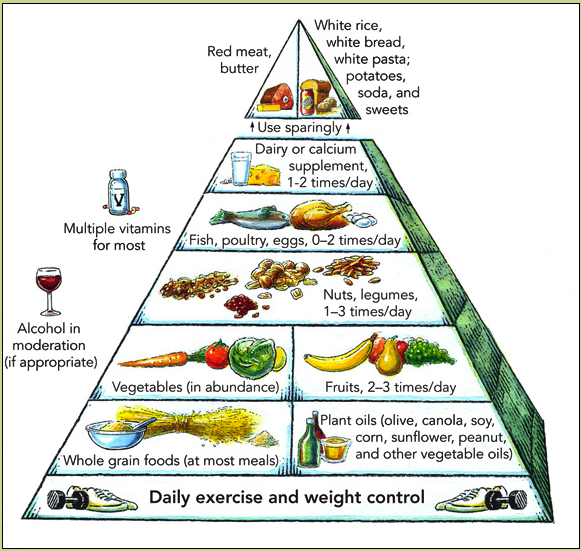
Diet and weight control must always be combined with medical treatment. People with type 2 diabetes should eat at about the same times each day and follow a specific diet in order to prevent blood sugar from becoming high or low. People should eat the right amount of healthy food and do some aerobic exercises. In fact, a diabetic diet encouraging weight loss and physical exercise is extremely important.
 A healthy mediterranean diet can help prevent type 2 Diabetes. Ph. stockasso on depositphotos
Mediterranean diet as a form of prevention
The Mediterranean diet can be considered a good course to follow because it has positive effects in the prevention of the disease. These results are supported by certain experiments like those carried out by the PREDIMED team with a view to analyzing the reduction in the incidences of Type 2 diabetes using the Mediterranean diet. At the end of the experiment, examining 418 non-diabetic subjects aged 55-80 years, it was found that increased adherence to the Mediterranean diet was inversely associated with diabetes incidences and that the Mediterranean diet seems to be effective in the prevention of diabetes in subjects at high cardiovascular risk.
The most interesting aspect is that some findings show that a simple conversion to Mediterranean diet, together with physical exercise, could lessen the dependence on medications for people who already have type 2 diabetes. In fact, some Italian researchers found that 70% of people with type 2 diabetes following a low-fat diet eventually needed diabetes medications, unlike just 44% of those who followed the Mediterranean diet. An Italian professor of endocrinology and metabolic diseases at the Second University of Naples in Italy, Dr Dario Giugliano, also outlined the benefits of the Mediterranean diet, defining it “a safe and tasty means to delay the introduction of anti-diabetic drug therapy in newly diagnosed type 2 diabetic people.” Dr. Giugliano said that people with type 2 diabetes should follow the Mediterranean diet because the diet, which is lower in carbohydrates, could have an effect on insulin sensitivity beyond its carbohydrate composition.
It is well-known that prevention is important in order to correct a bad lifestyle and limit the likelihood of having health problems. This prevention starts with good eating habits and this is also the case for type 2 diabetes, whose development can be delayed or avoided with the Mediterranean diet.
This information is solely for informational purposes. IT IS NOT INTENDED TO PROVIDE MEDICAL ADVICE.
Click here to learn more about Mediterranean Diet.





































So, 7.8% of US population has type2. I thought this article was about those on a Mediterrannean diet????