The Italy of today is vastly different from the land our early ancestors discovered, back in the early Paleolithic Age. The ice ages had left exposed vast tracts of land now submerged under the sea. The very first people to settle in what is now known as Italy arrived nearly half a million years ago and were the Neanderthals, followed later by our modern human ancestors. With the arrival of the Neolithic Age, Italy became host to several prominent prehistoric peoples such as the Terramare, the Villanova and the Camuni.
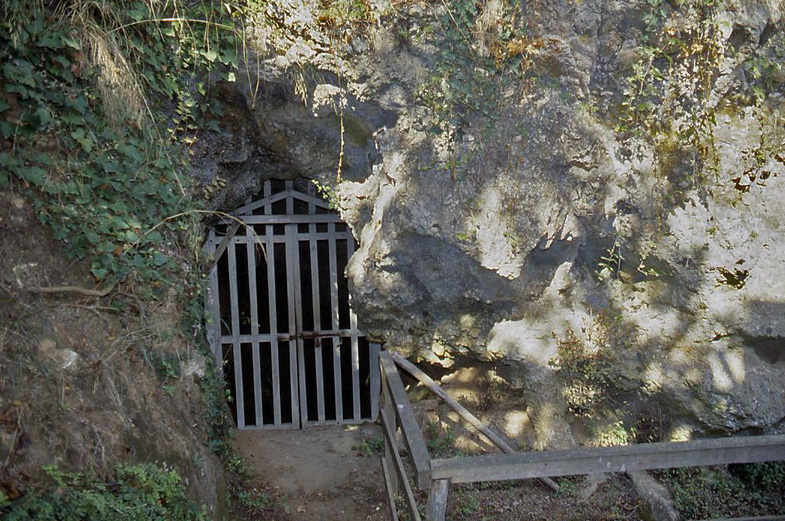
The earliest archeological findings in Italy so far, date back to more than 50,000 years ago. More than twenty of the earliest sites in the country are associated with the Neanderthal people. Modern man first appears in Italy’s archaeological record 34,000 years ago, in the grotta di Furmane, with other sites discovered in Lombardy, Liguria and Sardinia. The most famous of Italy’s prehistoric remains are the rock carvings and paintings in Valcamonica and of course, Otzi the Iceman, the mummy of a Copper Age hunter found in a glacier.
Major Prehistoric Italian Civilizations
The Camuni
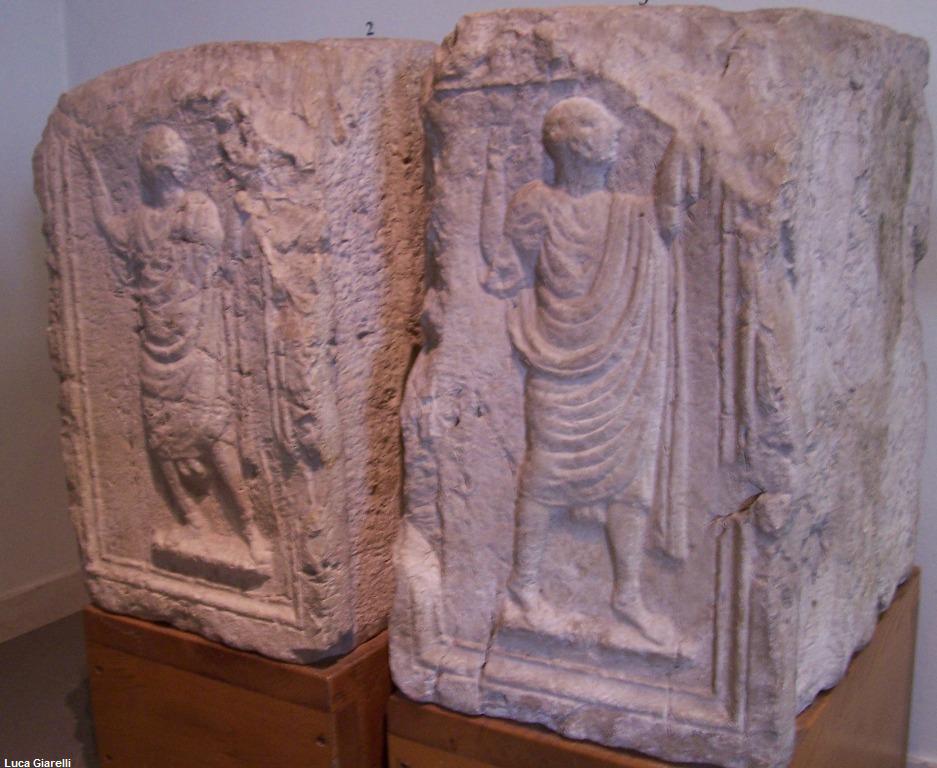
The origin of the Camuni people is unknown, their name given to them by classical writers. These people lived in the Valcamonica (Camonica Valley) of Lombardy during Italy’s Iron Age. Although many groups were known to have lived in the same area since Neolithic times, the Camuni lasted until the Roman conquest, in the 1st century AD.
The Camuni reached their peak of power during the Iron Age, since there were many early forms of iron mills in the area. The civilization was famous for their rock carvings, many of which have been found in the area of the Camonica valley. Almost 30,000 of such carvings, dating back to their times, had been found in the region. The Camuni also had a unique language, whose script has not been deciphered.
The Nuragic Civilization
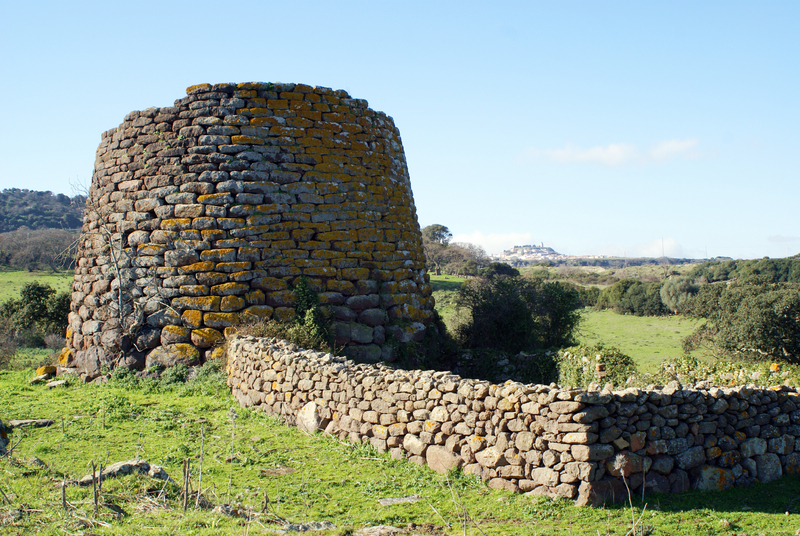
The Nuragic civilization existed between the early Bronze Age and the 2nd century AD, on the islands of Corsica and Sardinia. It is another example of Italy’s early peoples surviving well into the age of Rome. The civilization had been named so because of the now famous towers found in the area, known as Nuraghe.
These Nuraghe of Sardinia are the largest and best preserved of Europe’s megalithic remains. There are many theories as to what these towers were used for, ranging from tombs, fortresses, prisons, temples or even houses. However their actual use by their original inhabitants remains a mystery.
Archaeological findings have shown that this ancient tribe had been involved with sea trade with people from other Mediterranean regions. This has been asserted through various remains like bronzes depicting elements and animals from Africa, weapons from the Eastern Mediterranean and even ceramics from Mycenae. Some believe the Nuragic people could also have been the so-called “Sea People” who had attacked Egypt.
This civilization is also known for other archaeological finds such as sacred pit shrines, dedicated to holy water, and gallery graves that look like tombs of giants. Some Nuragic goods have been found also in Etruscan burials.
The Terramare Civilization
The Terramare civilization had developed in the Bronze Age, between the 17th and the 13th century BC, in what is now Northern Italy. They were eventually supplanted by the Celts. Their villages were laid out in what looks like a military camp and their houses were built on stilts. They were part of a large European trade network and were known for their bronze castings. Weapons like axes and daggers are some of the most common finds in Terramare sites.
The Villanovan Civilization
In 1853 Giovanni Gozzadini discovered a necropolis in Bologna, dating back to the Iron Age. The find was associated to the Villanovan people. The Villanovan civilization is mostly known for its sepultures, characterized by the cone shaped urns where the ashes of the deceased would be stored.
Initially, the Villanovan people worked towards animal husbandry and agriculture. Later on, they shifted to various complex activities and crafts, including metal working and ceramics. This resulted in profitable trade, since such crafts were quite rare during the Iron Age. For this reason the Villanovan were known among their peers for their wealth.
The Castellieri Civilization
This civilization developed during the Middle Iron Age in the areas around Istria and expanded as far as Dalmatia, in modern Croatia. The Castellieri civilization lasted for more than a thousand years, from the 15th century to the 3rd century BC, when the Romans arrived in the area. The term “Castellieri” was associated to them only in later centuries, in name of the peculiar shape of their fortified buildings.
The first ever settlement of the Castellieri people was built along the coast of Istria and, although their exact origin is unknown, there appear to be many similarities with the Mycenean people of Crete. Today, it is believed the Castellieri were one of the many Indo-European civilizations who arrived in Italy during this time.
During various excavations in the area, more than a hundred boroughs were discovered in Friuli Venezia Giulia and Istria. Their fortified settlements were developed on mountains or hills and only in rare cases on the plains. They are characterized by long stretches of walls that are rounded in appearance. Some of the best known of these ancient “castelliere” are found in Elleri in Muggia, Leme in Istria, Monte Giove near Trieste and in San Polo near Monfalcone. The largest of its kind is the one, found in Nesactium in Istria, close to Pula.