Tuscany Toscana

Tuscany Toscana

Tuscany was founded by the Etruscans in the 11th century BC. The region was originally called Etruria and constituted the majority of the area controlled by the Etruscans. Most of what we know about the Etruscan people was learned from archeological data collected in Tuscany. The complex culture of the Etruscans and their appreciation for art, beauty, and the Greek style of democracy led to peaceful people's defeat. In the third century BC the region came under the power of the Roman Empire and was renamed Tuscia. After the Roman Empire fell the region was invaded by several peoples including the Goths, Lombards, Byzantines, and Franks. In 1860 Tuscany became part of Italy.

Tuscany Gimignano

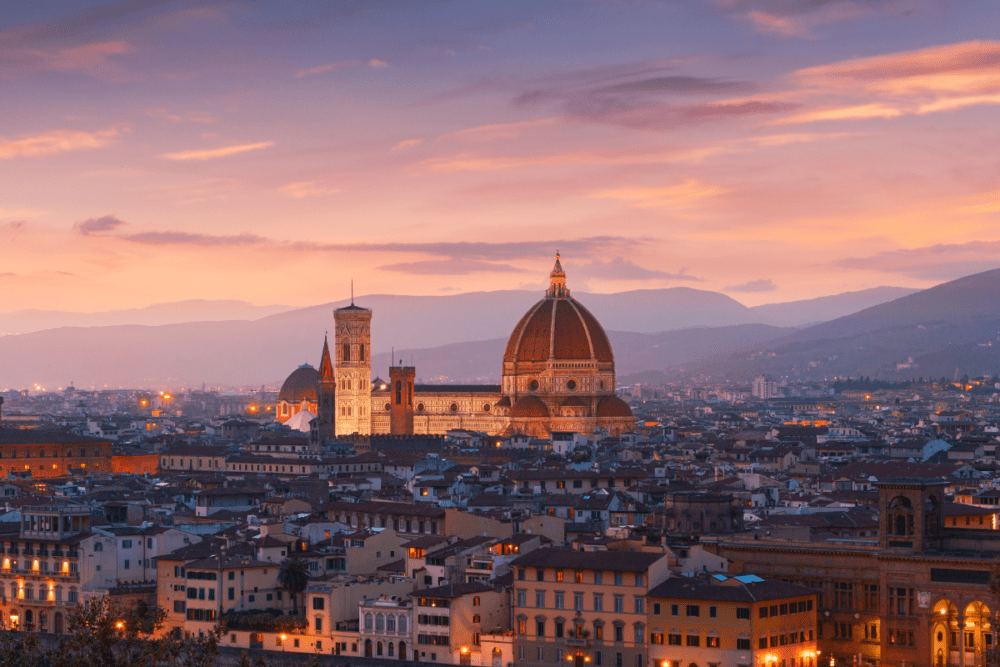
Tuscany is divided into ten provinces: Arezzo, Firenze, Pisa, Siena, Lucca, Pistoia, Grosseto, Massa Carrara, Livorno, and Prato. Tuscany has a population of nearly 3.5 million and covers an area of about 23 km, making it the fifth largest region in the nation. The triangular shaped region is bordered by Liguria, Emilia-Romagna, Marches, Umbria, and Latium. It is bordered by the Tyrrhenian Sea on the west and is crossed by the Apennine Mountains. The capital of Tuscany is Florence.

The Tuscan economy is very stable and according to the U.S. and Foreign Commercial Service, Tuscany is the leading region when it comes to economic growth in Italy. Despite a drop in tourism after the September 11th attack Tuscany has continued to grow economically. The unemployment rate continues to drop as the GDP continues to rise. In 2003 the GDP was at an estimated 85 billion euro. Tuscany owes its success to a broad range of industries. While the majority of the region still relies on agricultural production, industries such as the iron mining and works industry, the ship building industry, chemical, textile, and machinery, as well as computer science and research industries have taken a serious foothold in the region. Tuscan wine, oils, marble and cigars are legendary and are part of the regions growing exportations. Tourism also accounts for a great deal of the region's wealth.

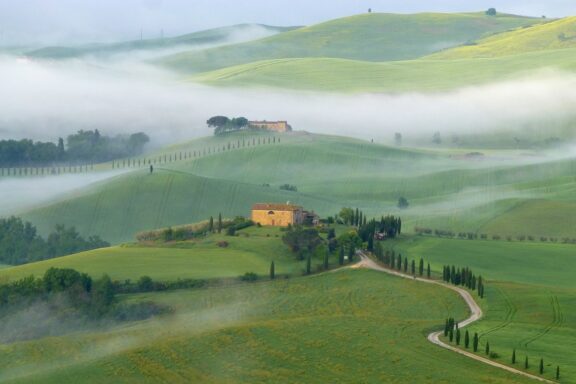
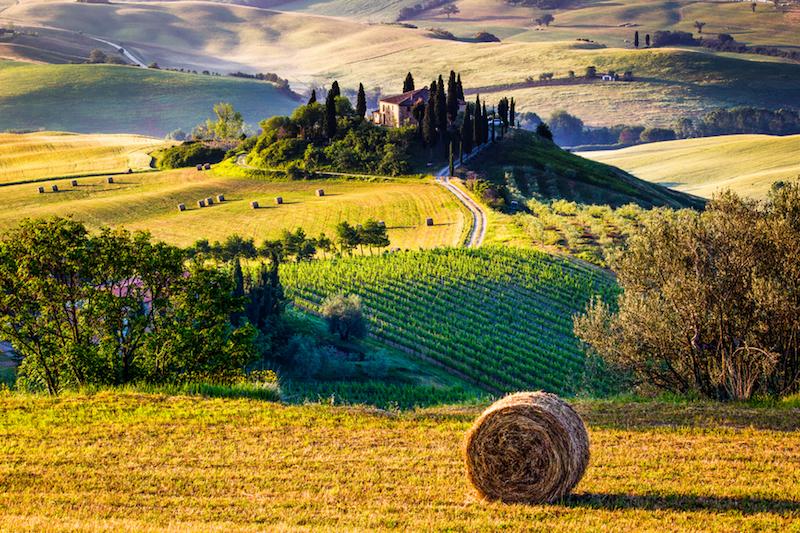
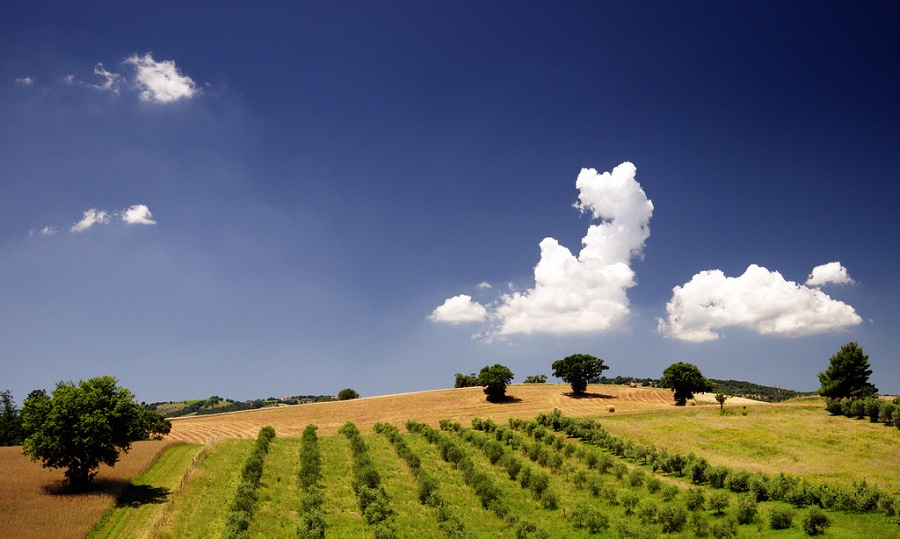
Tuscany has become a popular tourist destination over the years in part to its dynamic scenery. Because of its location Tuscany has the benefit of being a mid way between those regions which are almost entirely agricultural and those which are highly industrialized. Most of the region is mountainous. The Alpi Apuane mountains are home to the regions white marble deposits, cinnabar deposits can be found at Mount Amiata, pyrites in the Grossets area, and iron ore is mined at the Island of Elba. Tuscany is also home to a system of underground borax geysers. The Casentinesi Forests are full of tall silver firs and old growth beeches. Tuscany has more forest than any other region in Italy. The mountains slope down to gently rolling hills and a small plain area. These areas are alive with small vineyards and fields of olives, tobacco, potatoes, vegetable and sunflowers. Tuscany is the highest producer of such commodities in Italy. Tuscan artichokes and cauliflowers are well known in Italy. Tuscan cigars are highly desired due to the fermentation process used to cure the tobacco is unique to the area.

Interspersed between cultivated fields are small farmsteads with small herds of sheep and cattle. Medieval castles and villages dot the landscape. Visitors can stay in any number of beautiful villas or by the coastline and can even rent rooms in castles and small out of the way villas. The Tuscan seaside is well developed for tourists. There are many holiday resorts and nice hotels. Internationally recognized health spas can be found in Tuscany as well. The area is rich with culture and history; there are many architectural and artistic wonders to be seen.

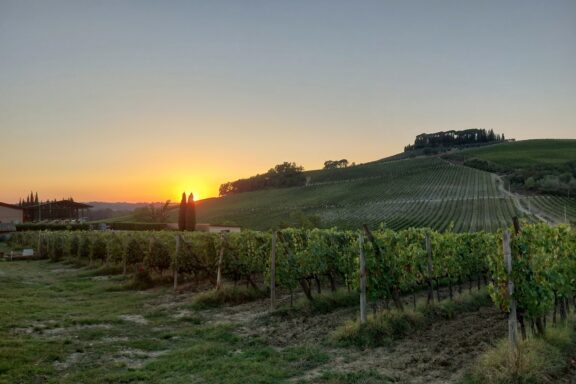
All of these attractions are wonderful, but visitors should make an extra effort to visit the Chianti region of Tuscany. The Chianti area of Tuscany has been a hotspot for wine production for hundreds of years. It is amazing that an area with such rough terrain and high altitude would produce such a wonderful wine grape when other crops would fail. Tourists will delight in seeing rows of grape vineyards alternating with rows of olive trees and enjoy seeing the wine making process first hand. Chianti is produced in six different provinces: Siena, Firenze, Arezzo, Pistoia, Pisa and Prato. Chianti Classico is only produced in the areas between the provinces of Siena and Florence to exacting specifications.

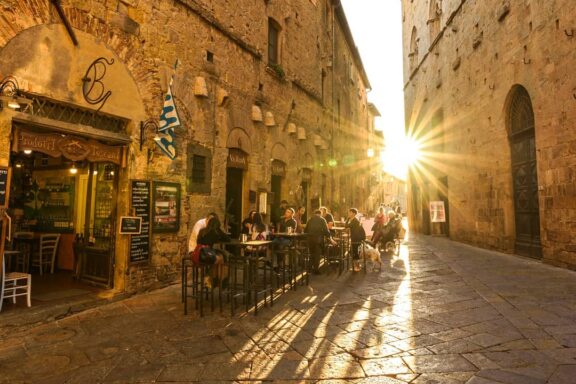
Tourist will also enjoy activities such as biking and boating, which are very popular in the region. Walking though Tuscany can prove a scenic adventure and there are numerous outside markets and small cafes to investigate and enjoy. Tuscan food is deceptively simple. Even though Tuscan dishes are often comprised of only two or three main ingredients and a lack convoluted array of spices, the flavors in Tuscan cuisine are complex and varied. While the region is famous for its Chianti there are wide arrays of red and white wines and Cognacs to sample. For those interested in shopping there are outlet distributors of high end Italian clothing such as Loro Piana, Prada, Gucci, D&G, Lowe, YSL, Bottega Veneta, Max Mara, Fendi, Miu Miu, Armani, Sergio Rossi, and Celine on the outskirts of Florence. Out door markets offer a variety of competitively priced goods and wonderful souvenirs, but are traditionally only open during certain days of the week.

There are plenty of festivals and historical reenactment pageants to visit while in Tuscany, but most are held during the warmer months. Here is a list of some of the more popular events.

  • Chiusi hosts a historical horse race and pageant during the month of June.


  • Montepulciano hosts a historical pageant and games during the month of August.


  • Grosseto hosts a cowboy parade and rodeo in August.


  • Florence hosts a historical soccer game and parade during the month of June as well as a medieval "Explosion of the Cart" festival in April. Florence also hosts a yearly Cricket Festival. It's not about sticky wickets though; it's about our chirpy buggy friends.


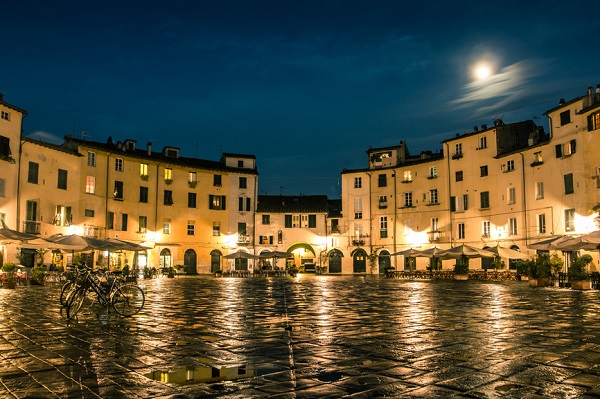
  • Lucca hosts a medieval parade and horse race during the month of July.


  • Arezzo hosts a medieval pageant and jousting tournament in June and September.


  • Querceta also hosts a medieval parade and horse race in May.


  • San Miniato hosts a festival dedicated to the white truffle in November.


  • Pescia celebrates Pinocchio's birthday in May.


  • Prato has a parade prior to its yearly historical ball game in September.


  • Vernio hosts the Polenta Festival in February.


  • Carmignano hosts a historical parade and horse race in September.


  • Pistoia hosts a historical parade and jousting tournament during the month of July.


  • Livorno hosts a historical regatta during the month of July.


  • Siena hosts a palio horse race and pageant in both July and August.


  • Massa Marittima hosts a historical pageant in May and August.


  • Giglio Island also hosts a historical regatta in August.


  • Pisa host the Battle of the Bridge during which water games are hosted over the Arno River in June. Pisa also hosts the Regatta of the Great Maritime Republics every four years.

Whether wine tasting, cycling, swimming, boating, hot air ballooning are just walking through the scenic country side Tuscany offers its visitors a unique cultural experience.

By: Jamie Sue Austin

intoscana.it


Join our Community to comment

Only members of lifeinItaly community are allowed to post.
Please join our community !

Existing members Click here to Login.

Not a member yet? Help LifeinItaly by registering! Register.

No Comments Posted

tuscany

Italy shopping and video

Tuscany


Italy
© Copyright 2004-2008