|
|
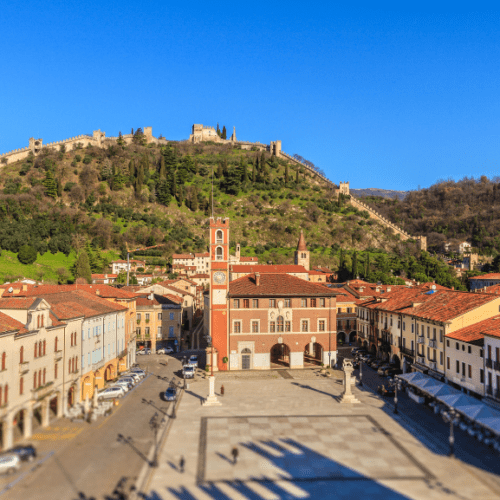
Veneto Region of ItalyVeneto History and Sights to SeeThe Veneto Region comprised the main portion of a larger area that is known as Venitia, which (along with Friuli and Trentino) make up the northeast quarter of the country. To the north lie the haunting crags and shafts of the Dolomite Mountains with the Veneto occupying the basins and marshy deltas of the Po and Brenta rivers. To the south lies the gastronomic paradise of Emilia-Romagna, to the west are Lake Garda and Lombardy. The eastern shore is bordered by the Gulf of Venice and the wildlife rich lagoons and marshes along the coast.
The Veneto gets its name from the original inhabitants of the area known as the Veneti, who were slowly assimilated into Roman culture. However some vestiges of their language may exist in the Venetian dialect and in certain place names. Before the formation on modern Italy, this region was under the sway of the Republic of Venice for centuries. However this former maritime powerhouse had very humble beginnings as a refuge during the raids of Attila the Hun in the 5th century. Before the Republic decided to expand inland, the city-states of the Veneto formed a coalition known as the League of Verona to protect their independence from the Holy Roman Empire. Eventually the league would falter; Venice would lose her grip on sea trade and slipped into decline by the 18th century. After Napoleon made his mark in the area, he gave it to Austria, who was still trying to take it as recently as WWI. Today the area could not be more peaceful and is known as much for its wildlife as its beautiful cities. Today's Veneto blends an historic past and agricultural bounty with modern progress in its chemical and shipping industries.
Regional foods and wines The food of the Veneto has some similarities with its neighboring
regions, like in Lombard Risotto is very popular and there are dozens
of variations using anything from wild mushrooms to the region's famous
seafood. Polenta, a versatile semolina based porridge is often served
alone, as a base for antipasti or as a side dish to main courses. Risi
e bisi is a dish of rice and peas that is simple yet delicious. Seafood
ranging from prawns, shrimp and clams to fresh fish and eels play an
important part of the local diet and are proudly displayed in the markets
and restaurants. Wild game such as rabbit, duck, pigeon and guinea fowl
are also favorites. Fegato alla Veneziana is a Venetian dish of calf
liver fried with onions is unique considering the lack of open space
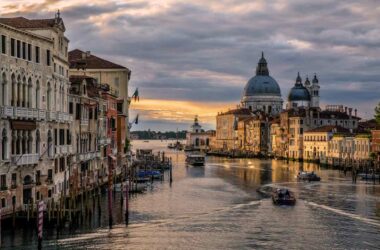
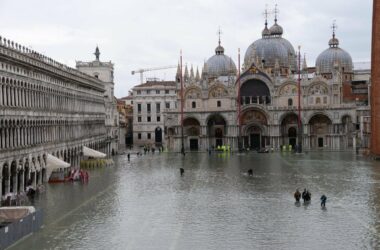
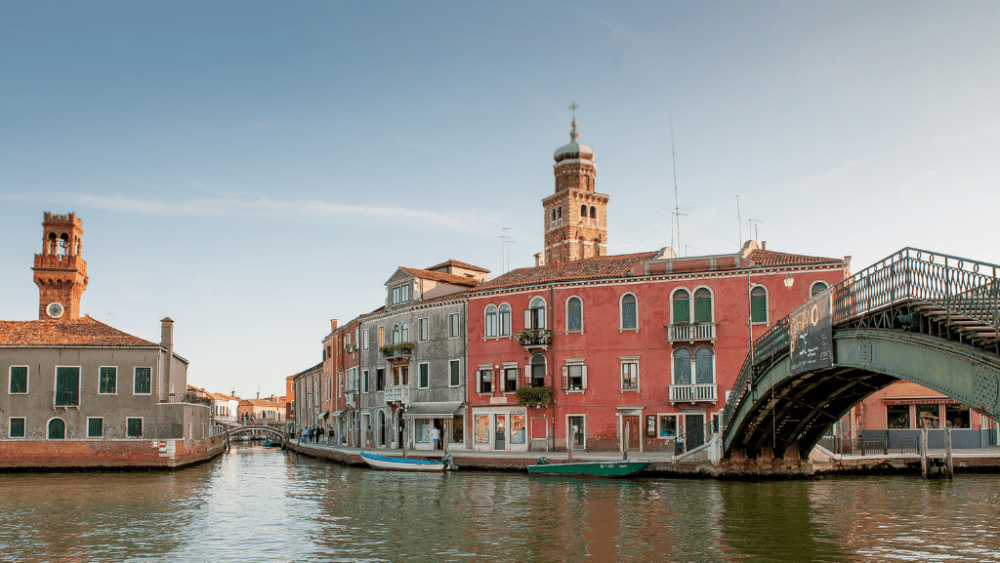
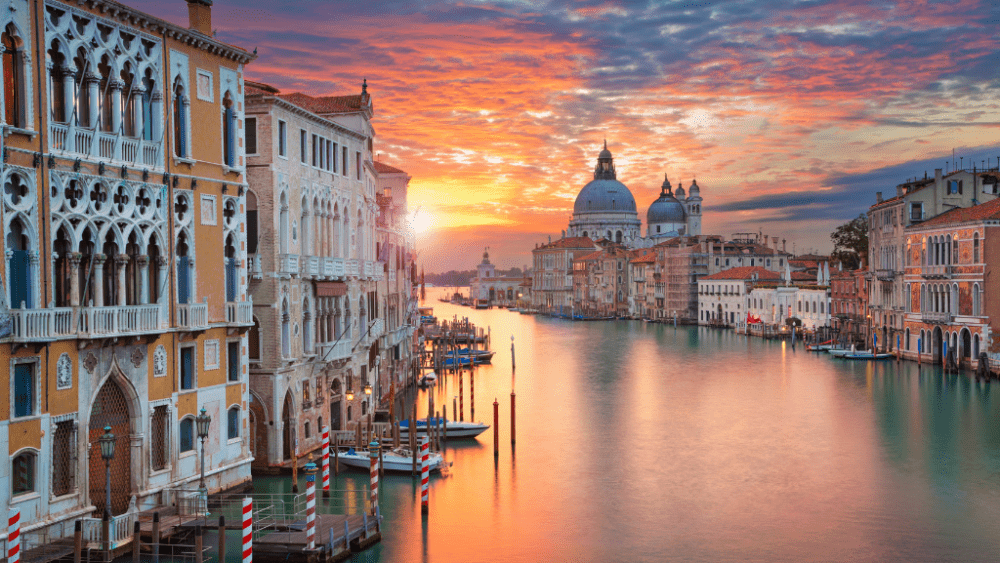
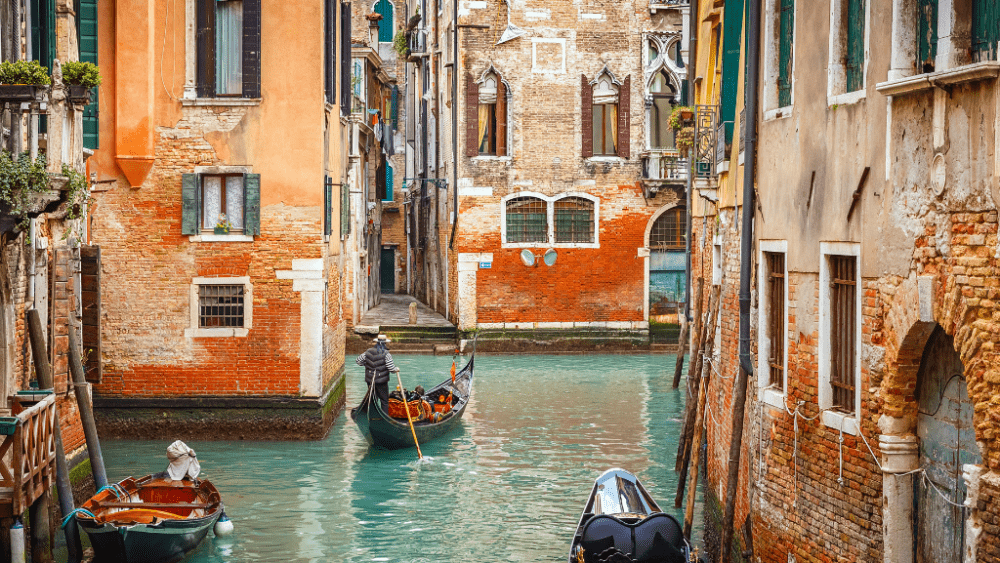
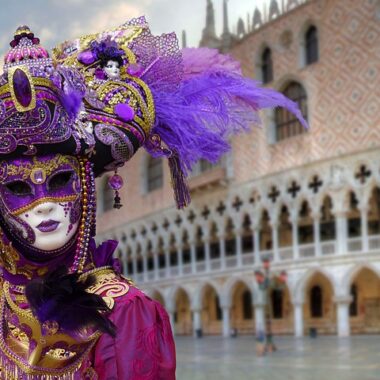
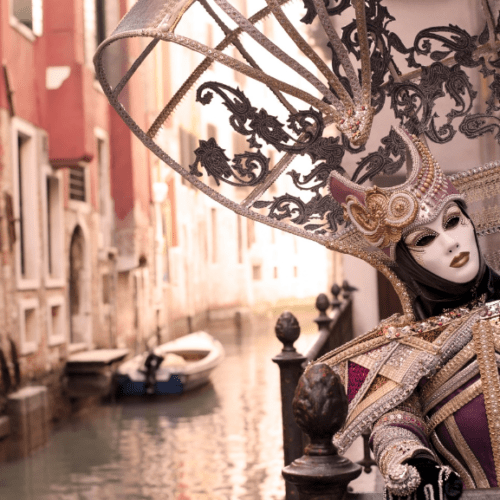
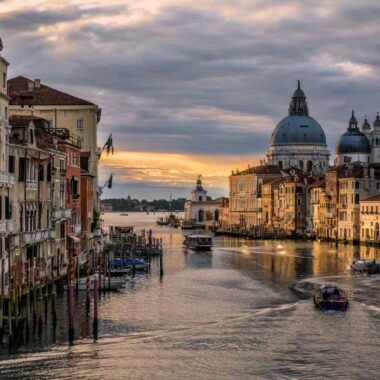
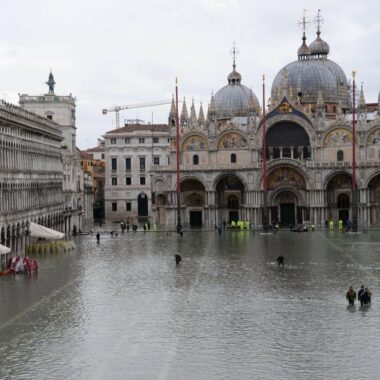
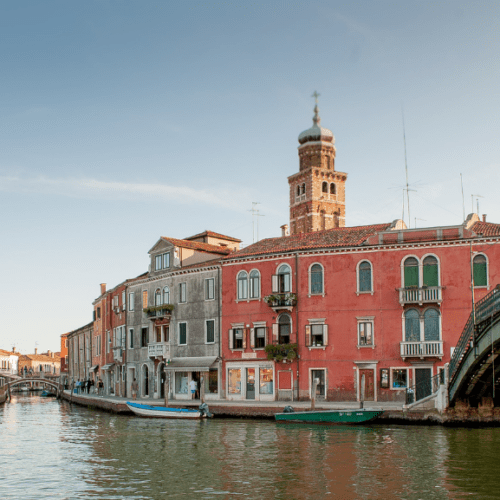
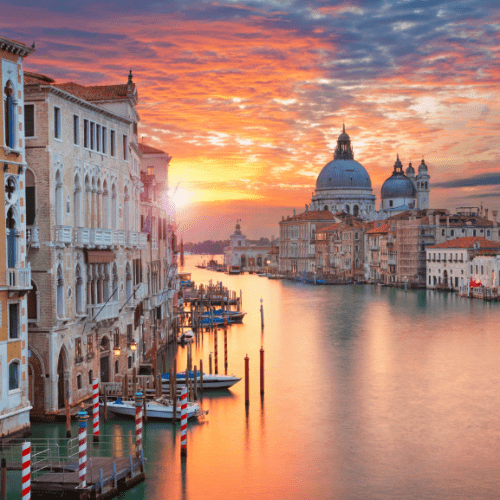
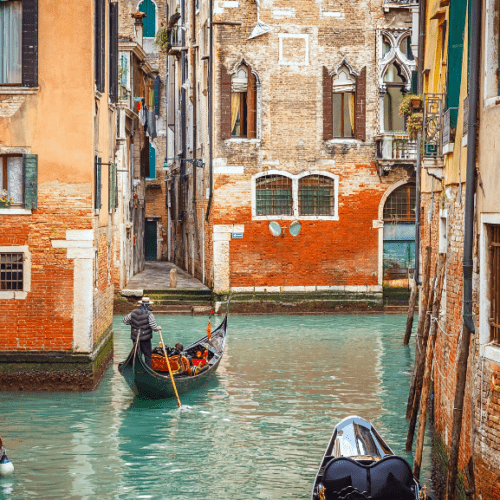
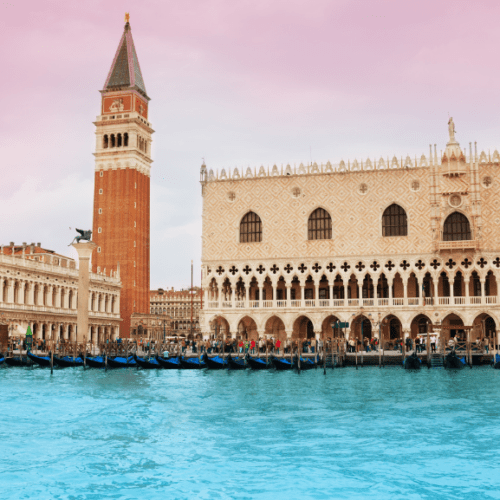
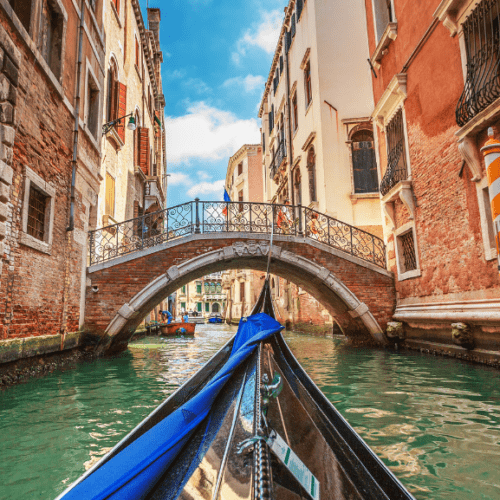
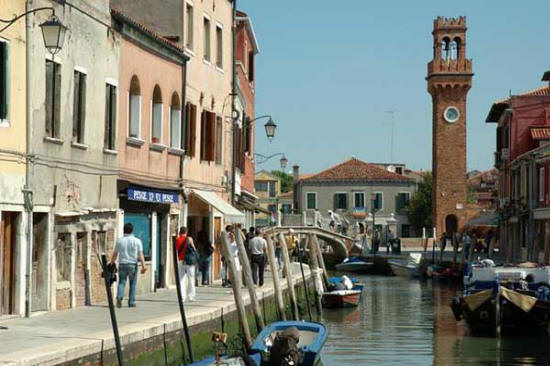
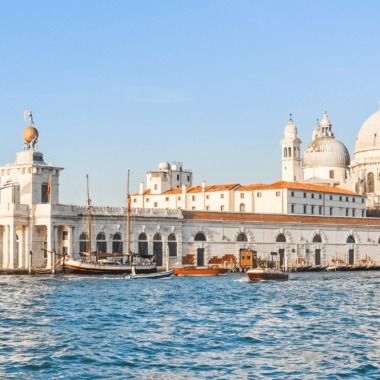
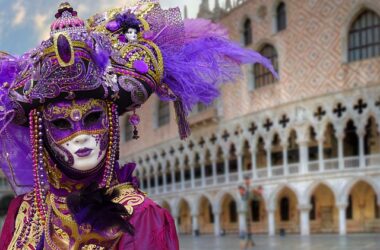
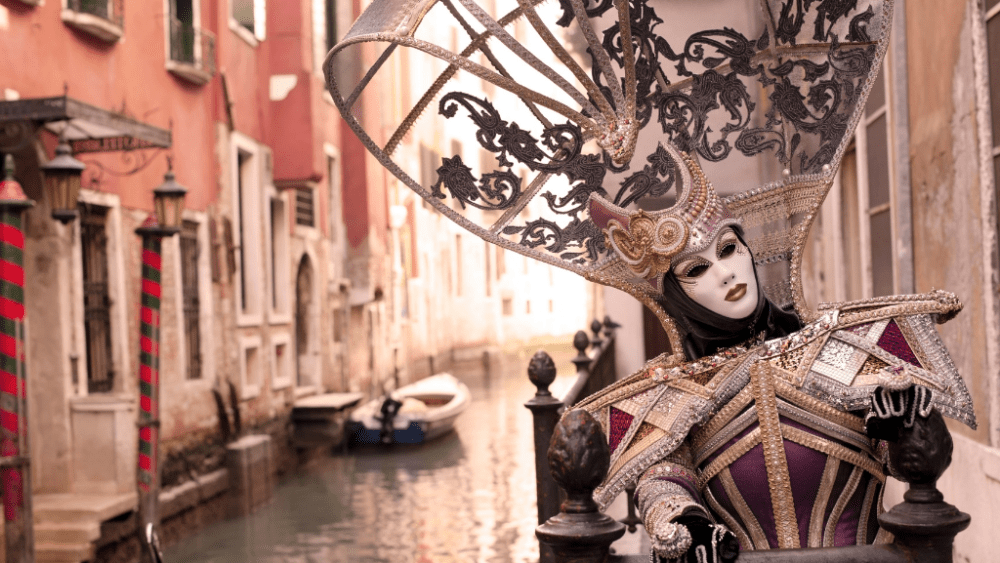
among the canals. The region is known for some of Italy's best known reds such as Valpolicella, which is gaining popularity overseas due to improved quality. Bardolino is another soft, fragrant red whose native home is in the Verona area of the Veneto. Soave, strong and dry is the best known of the region's white wines but others include Gambellara, Bianco di Custoza and Vigne Alte. Grappa, Italy's indigenous distilled liquor is made from the stems and skins of wine grapes after the harvest. The spirits produced here (and in the Friuli) are considered some of the best in the country and is fiery and strong. Regional Highlights: Venice Below a Nice video of Venice with a Beautiful Girl in a Gondola A highlight to any trip to Italy, Venice defies explanation as there simply is no other place like it. A daytrip to the crowded sights give the city a feeling of a giant tourist trap or amusement park. However a longer stay rewards the visitor with a still living city proudly upholding its traditions and glorious past. Venice is one of those rare places where no particular sights have to be seen in order to fully appreciate it. Piazza San Marco and its Basilica are definitely worth visiting, but equally so are the small secluded canals where tourists never tread and Venetians go about their lives. The city's lagoon and islands also present different adventures; from the glass blowers of Murano, the fishermen and lace makers of Burano to sleepy and time-forgotten Torcello. Verona
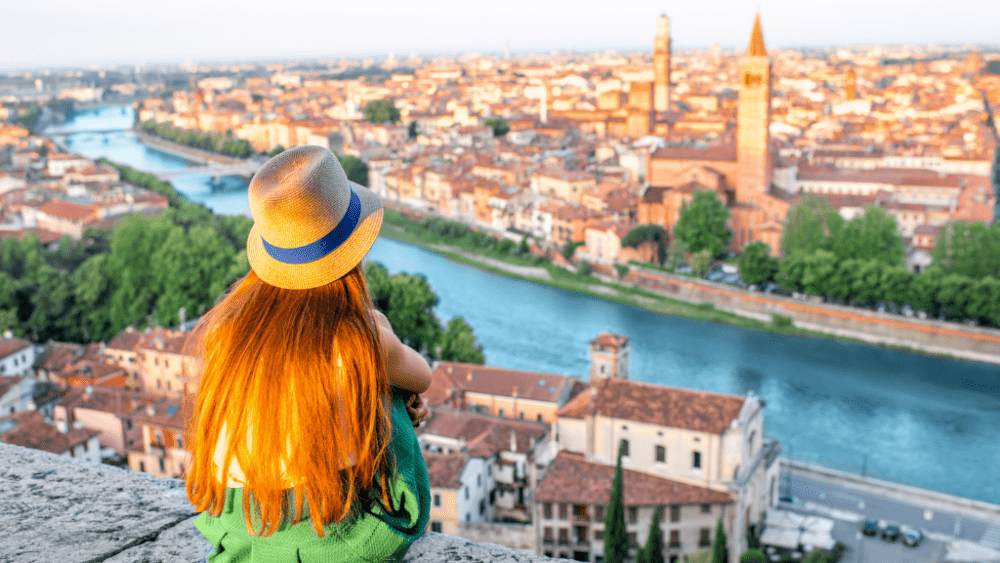
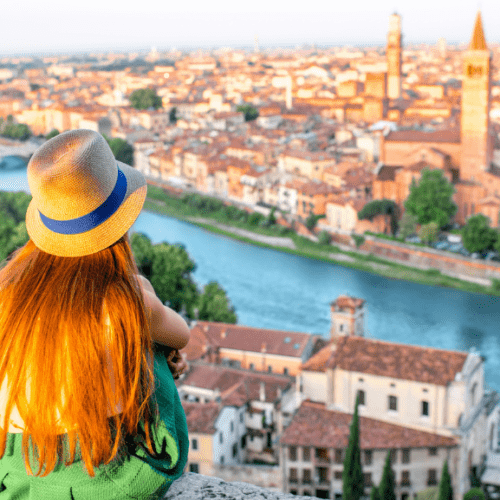
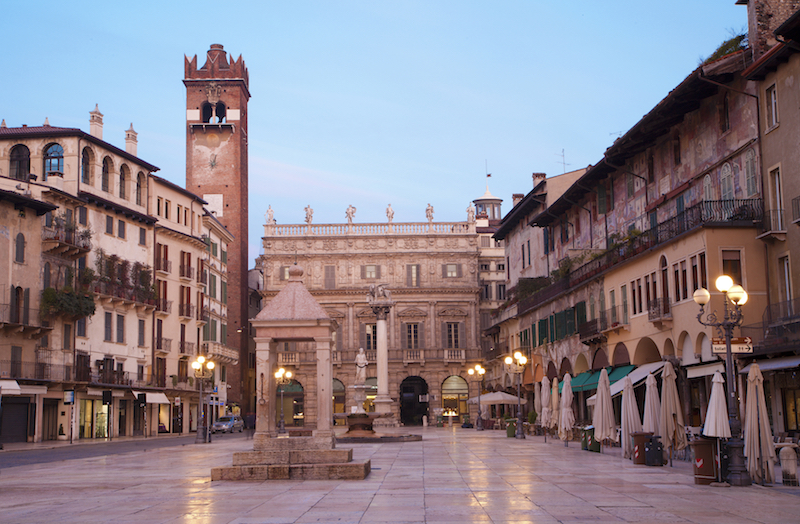
The city that gave the world Romeo and Juliet is so much more than the sight of a famous balcony. Verona is home to one of the largest Roman arenas and it is still in use for outdoor opera during the warm months. The city has charming piazzi, ancient Roman ruins and pedestrian only streets lined with shops. The Piazza della Erbe rests upon the former Roman forum and is home to the city produce market. Although the story of Romeo and Juliet may be a myth, it is still worth visiting the courtyard and balcony of Juliet's house - which is covered by layers of graffiti left by other romantics. Padua
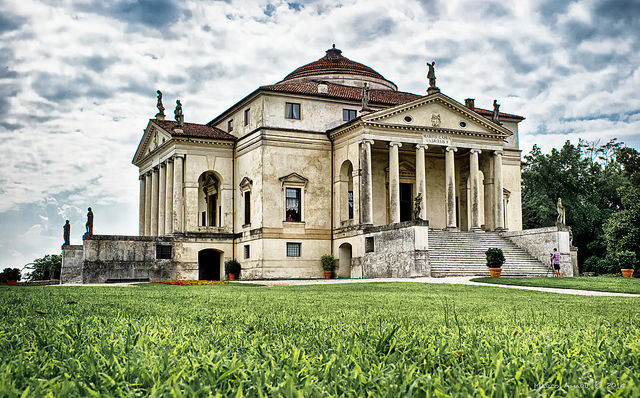
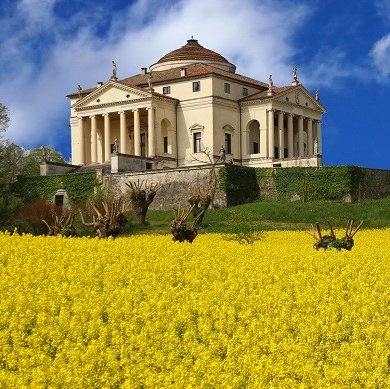
There are many other sights worth visiting including the Scrovegni chapel (with frescoes by Giotto), the Palazzo della Ragione (law courts). A daytrip outside of Padua by boat along the Brenta canal is great for a closer look at the region's Venetian style villas. Regional Festivals Padua - St. Anthony's festival in June Official Regional Webpage: www.regione.veneto.it By Justin Demetri |
Italy shopping and video |