Italy is a country rich in art and artistic talent. The country holds between 55 to 65% of all the world’s art. Based on these stats, it’s clear that art lovers will have a lot to see and do in Italy, and that the country would have some of the best museums in the world. According to ISTAT, the National Statistics Institute, Italy is home to 4739 museums. Among them, the Musei Vaticani, the third, most visited museum in the world, after the Louvre in Paris and the Metropolitan Museum of Art in New York.
Gli Uffizi
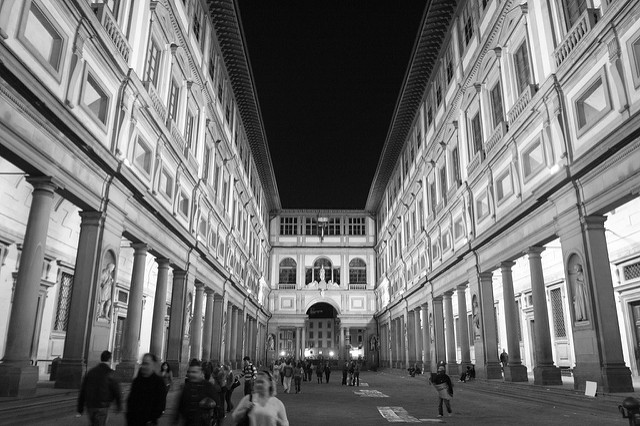
One of the most important museums in Italy is the Uffizi Gallery in Florence. The palace of the Uffizi was the project of Giorgio Vasari, who had it started in 1560 when Cosimo de’ Medici was in power. The name (Uffizi = Offices) came to be as the building was created to host the city’s most important offices. As Florence’s ruling family, the de Medicis, collected countless works of art, including paintings and sculptures, they began using the Uffizi to exhibit them. At the same time, artists who would become legends, like Leonardo, met at the Uffizi to share ideas and create art.
It took 200 years for the Uffizi to become an official museum, as we know it today: at present the Uffizi is the most visited site in Florence.
I Musei Vaticani
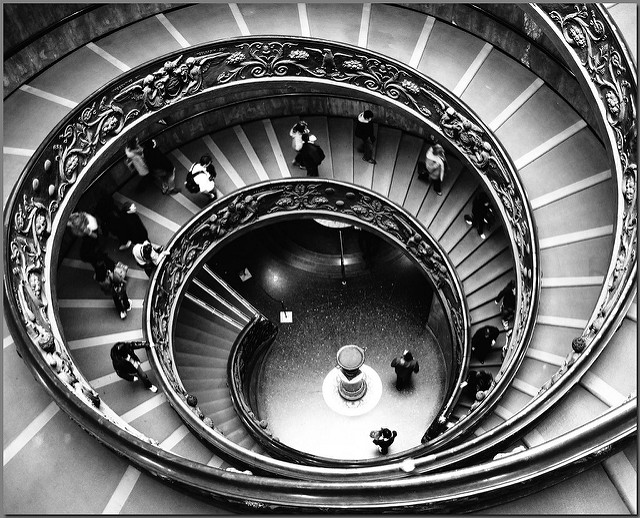
Head south to Rome — to Vatican City, to be exact — and you’ll find the Vatican Museums. On the last Sunday of every month entrance here is free. You may be wondering why it’s called “Museums,” plural. Well, while the Museums feel like one big place, they are indeed a combination of several smaller galleries that make up one of the most important museums in the world. The Vatican Museums are where much of the Catholic Church’s priceless art is stored, as well as some of the classical sculptures and masterpieces of the Renaissance. Of course, here you’ll also be able to see the famous Sistine Chapel and Raphael’s Judgement Day. The museum is over 500 years old and is made up of 54 galleries that vary in content, including one that has one of the world’s best collection of Egyptian art. Next to the museum is St. Peter’s Basilica, with its grand dome and own collection of priceless art.
The Capitoline Museums
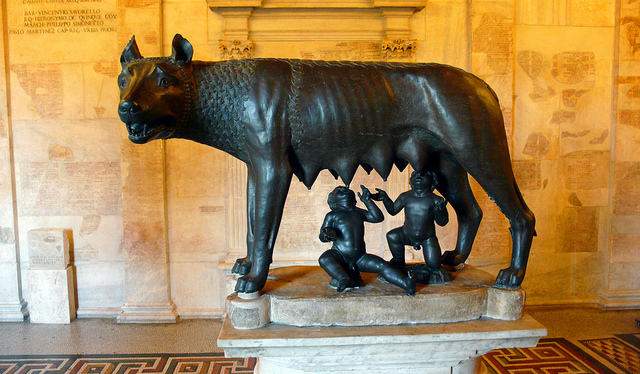
The Capitoline Museums take their name from their location, on the Capitoline Hill. The main nature of this museum is to exhibit archeological pieces, in three different buildings, laid around the famous square designed by Michelangelo. The Capitoline Museums’ amazing collection includes works of all ages, from the Roman Empire, to medieval times and the Renaissance. The large statues of Constantine and Marcus Aurelius are two of the most impressive pieces in the collection. The latter, after being exposed to the elements in the outside square for years, was finally brought inside so it could be preserved. Another piece of art not to miss if you visit the Capitoline is the She-Wolf with Romulus and Remus, the iconic symbol of Rome.
The Guggenheim Museum of Venice
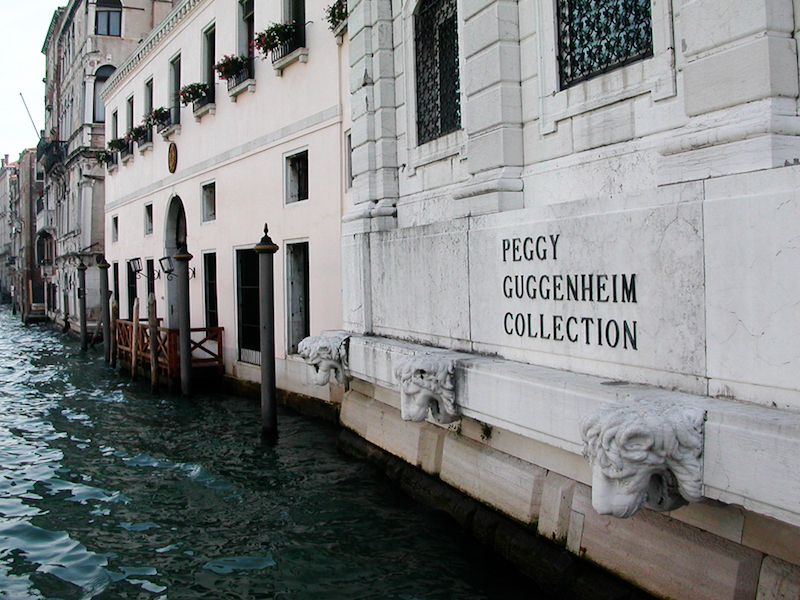
Let’s not forget about that incredible art city that is Venice. One of the most outstanding museums in Venice is the Peggy Guggenheim Collection, an art museum housed in a palazzo on the Grand Canal. The museum exhibits the private collection of Peggy Guggenheim, who died in 1979. The collection is known for its vast artistic importance and features both European and American artists with a focus on 20th century art – from modernists to futurists – including Picasso, Dalì and Pollock.
Please also read Part 2.