
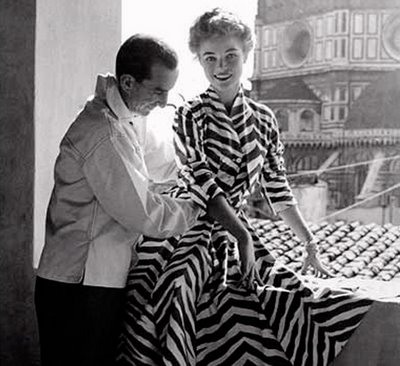
Emilio Pucci was the kingpin of textile reinvention and beautiful prints in the fifties and sixties. His designs revolutionized the world of fashion. They knocked the previous trend of dull colors and heavy fabrics out of fashion and developing a fan following that was almost unheard of at the time. Today, original Emilio Pucci prints from the beginning of his career are highly collectible items. This does not mean Pucci has been relegated to history. The brand’s current designs are equally coveted items in every starlicious diva’s wardrobe.
Emilio Pucci – The king of Casual Couture’s History
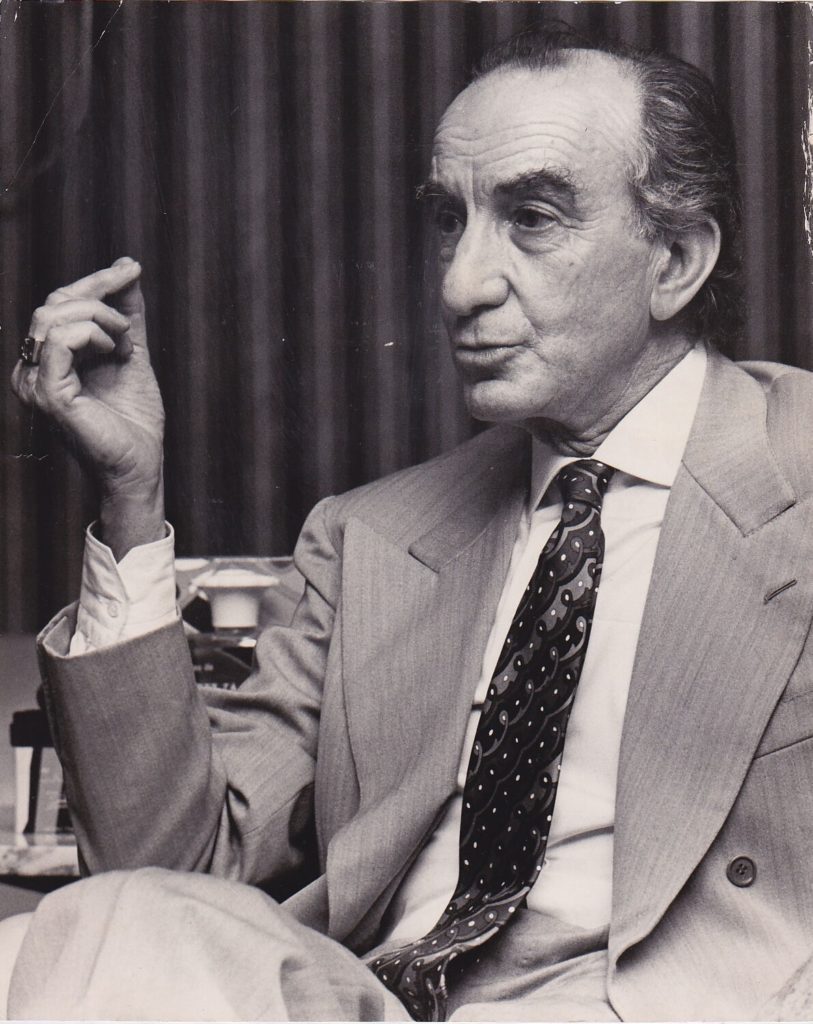
Marchese Emilio Pucci di Barsento was born in 1914 in Naples, Italy, the son of a wealthy aristocrat. He was raised in the lap of luxury. He became an avid skier and scholar, earning his Ph.D. in Political Science and joining the Italian Olympic ski team in 1934. Therefore, in 1935, Pucci earned a skiing scholarship and attended university in the United States. That is where he first started designing sportswear for his ski team. After serving several years as a pilot for the Italian Air Force during wartime, Pucci returned to his home in Italy due to health concerns that kept him from flying. The family lost most of its fortune in the war years.
Once he was back home, his luck turned when skiing one day on the slopes of St. Moritz, a reporter from Harper’s Bazaar, Toni Frissel, noticed Pucci and his outfit. After taking some photos, her editor discovered that Pucci had designed his own skiwear. Then, he invited him to create some pieces for a photo session on winter fashion. The designs were featured in the winter 1948 edition of Harper’s Bazaar. Meanwhile, the fashion world got its first taste of Pucci’s style and aesthetic.
The growth of Pucci’s fashion empire – The House of Pucci
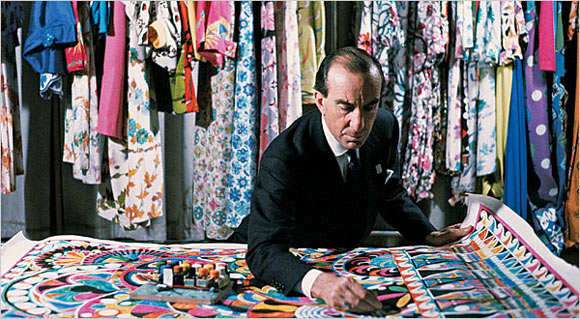
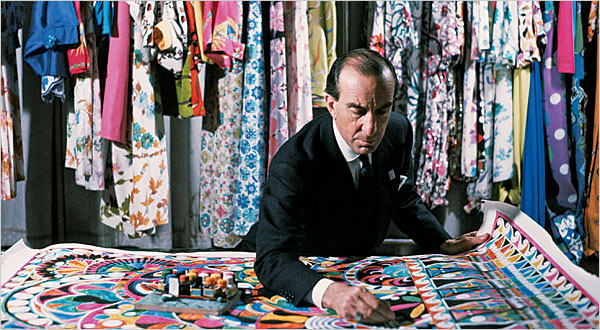
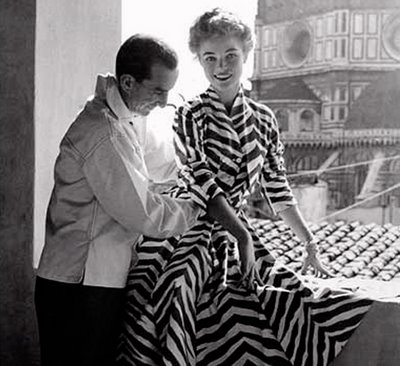
In 1949, Pucci opened his first shop in Capri, and by 1950 he had created his first couture line of clothing and presented it in France. While others were making stuffy suits out of cumbersome fabrics, Pucci was using bold colors and prints on lightweight materials.
The House of Pucci was born, and the public adored him. Emilio Pucci was now the first in his family to hold gainful employment in over a thousand years.
For instance, Pucci sold an astonishing array of casual wear. He sold products from the new Capri pants to silk dresses, scarves, jumpsuits, and pajamas. His bold use of prints, which featured colors that clashed, made his creations stand out from the other designers of his time.
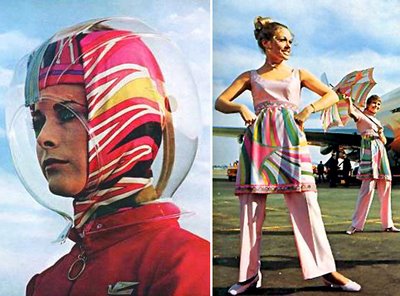
Emilio Pucci was invited to design the uniforms of airlines, and he did, adding a whimsical glass helmet, to keep the hostess’ hair in place.
Gaining popularity all around the young costumers – Lightweight products and cool prints
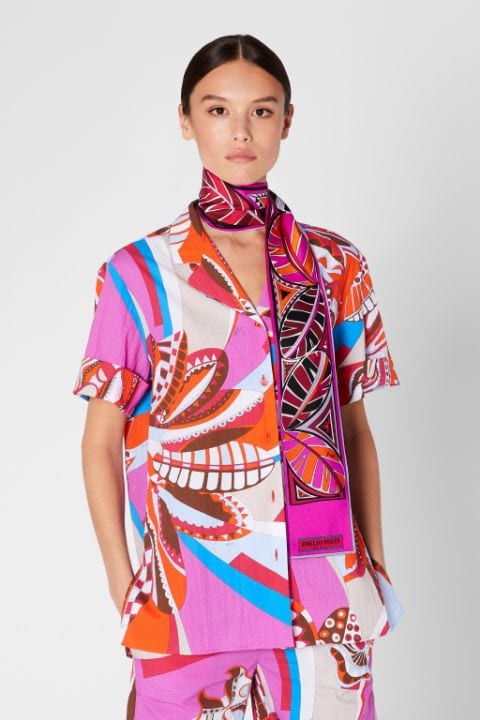
The popularity of his printed silk dresses skyrocketed when young consumers discovered how lightweight they were. They were also wrinkle-free. Dozens of Emilio Pucci outfits could be packed into a single bag for travel.
Pucci clothing was unlined, shaped and caressed the body, and moved with it. It was easy to maintain and could be worn from pool-side lunches to fashionable parties.
The Pucci empire had taken off, and soon there were dozens of items that sported the Pucci prints, and women like Marilyn Monroe, Lauren Bacall, and Jacqueline Kennedy were seen in Pucci clothes.
Innovative and wonderful designs – For clothing, lingerie, accessories, footwear, and perfume lines
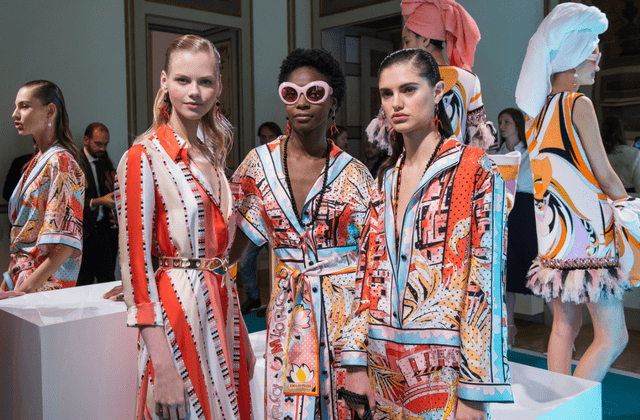
Lingerie, handbags, shoes, wallets, sleepwear, and more were added to the line. Pucci also designed a collection of airline hostess uniforms. This revolutionized the industry and even included a plastic helmet that would protect women’s hairstyles. In 1966, he launched the famous perfume “ Vivara.”
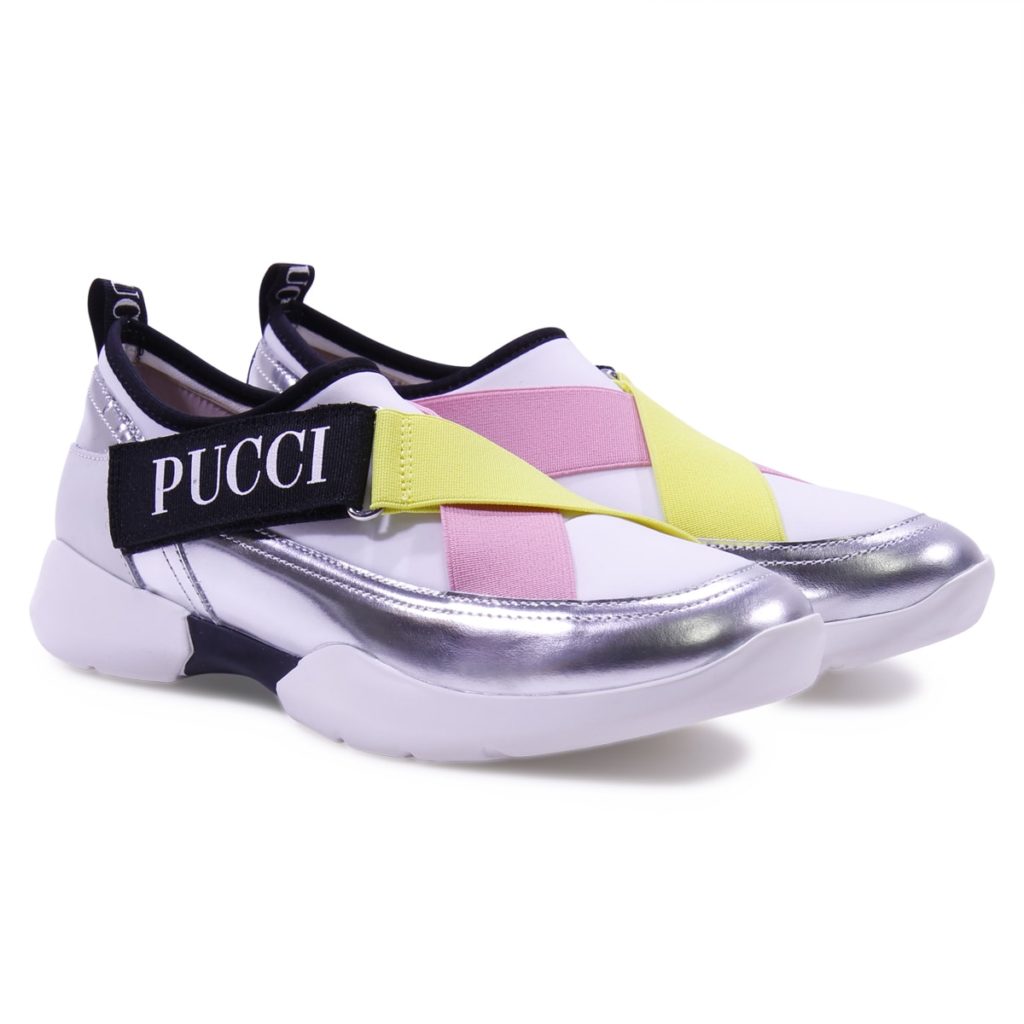
Also, Pucci won awards for his innovative style, including two from Neiman-Marcus in 1954 and 1967 for “distinguished service” in the field of fashion. He continued to create new and wonderful designs, branching out into stretch fabrics for pants, tights, and other garments.
In the late 1960s, Pucci was elected to the Italian Parliament. He was a respected and well-known fascist, having penned many pieces on his political views. He continued to act as head designer for the House of Pucci until his death in 1992.
The brand’s continuous changes after Emilio Pucci’s dead
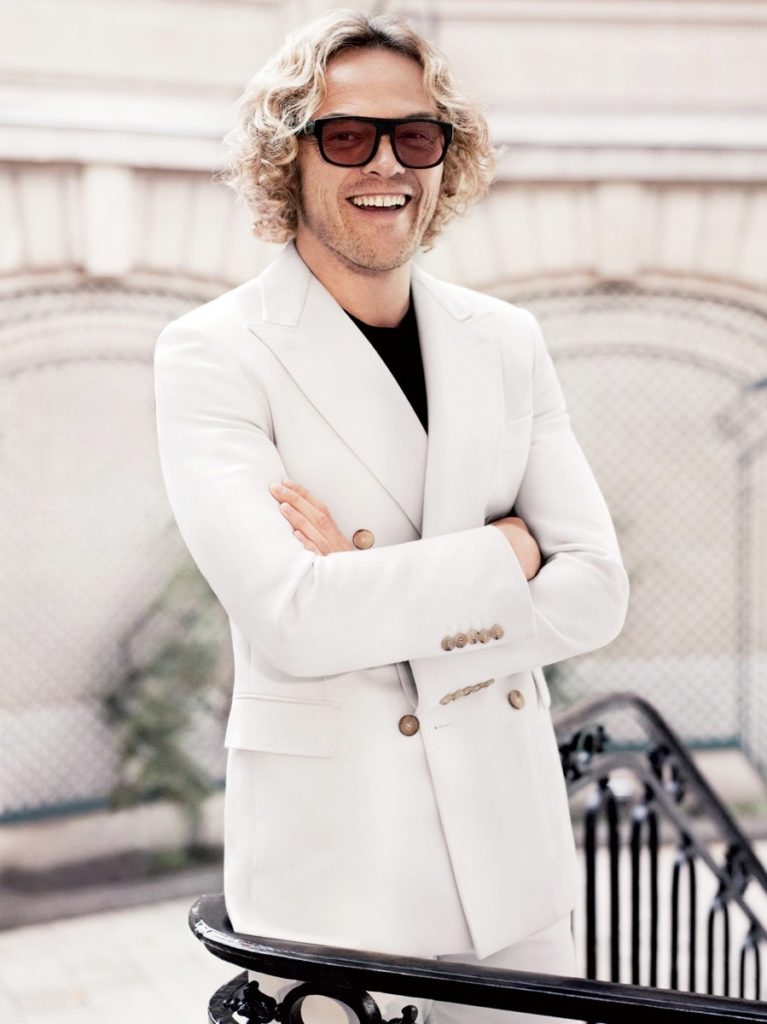
Since then, the Pucci brand has undergone several changes. Emilio’s daughter Laudomia Pucci took over as head designer upon her father’s death, followed by several others, including Stephan Janson. In 2000, the LVMH group acquired 67% ownership of the brand and brought in Julio Espada.
Espada was followed by renowned designer Christian LaCroix in 2002, who revitalized the brand by using vintage Pucci prints combined with new styles. Lacroix was succeeded in 2005 by Matthew Williamson who continued with the brand’s legacy till 2008, finally handing over the baton to Peter Dundas, who has worked for renowned Italian design houses like Roberto Cavalli, and is expected to take the Pucci brand to new heights.
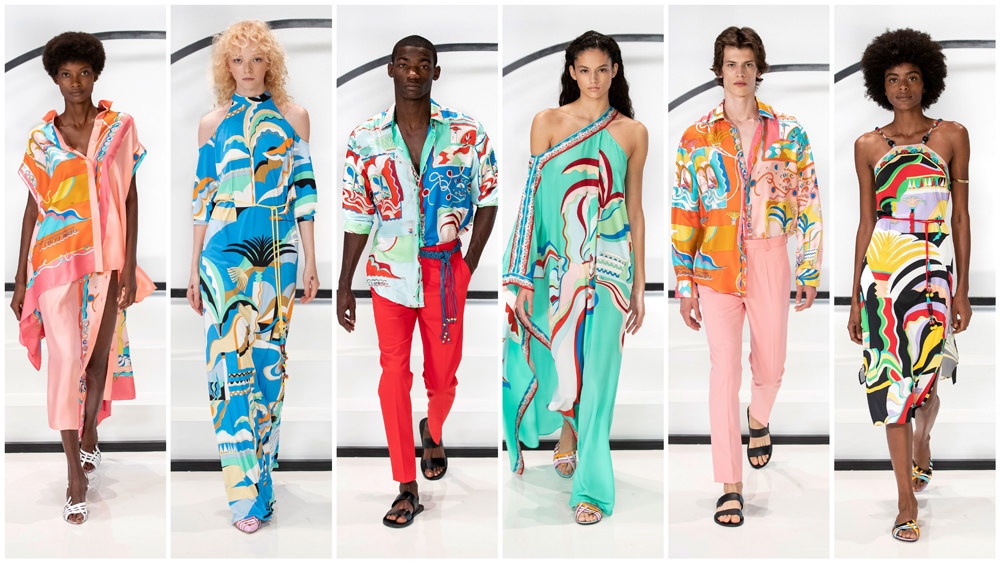
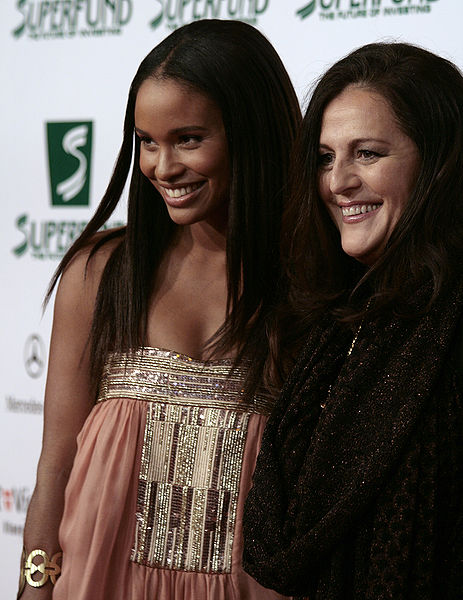
Moreover, in 2007, the brand celebrated its 60th anniversary, which was marked by a gala attended by well-known celebrities, and the launch of a new version of the iconic Vivara perfume. What started out as a need to design new and more functional skiwear for his ski team became a fashion empire for Emilio Pucci.
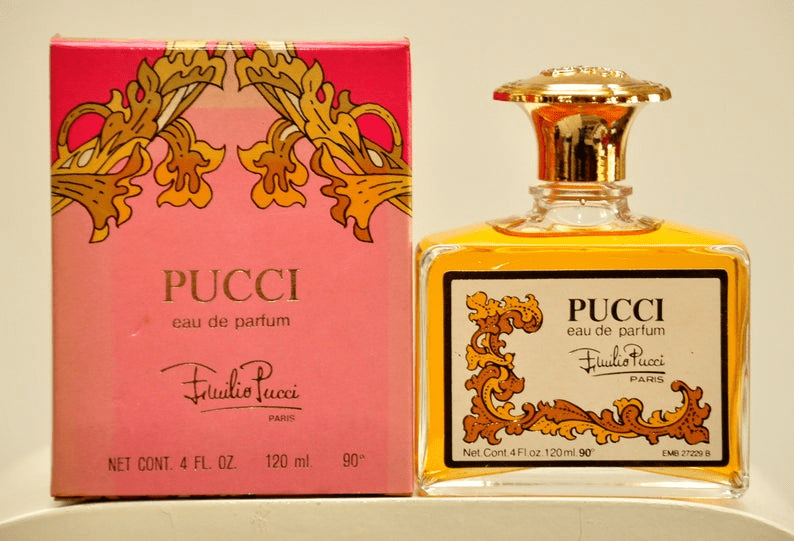
Pucci’s collections and designs, loved by celebrities
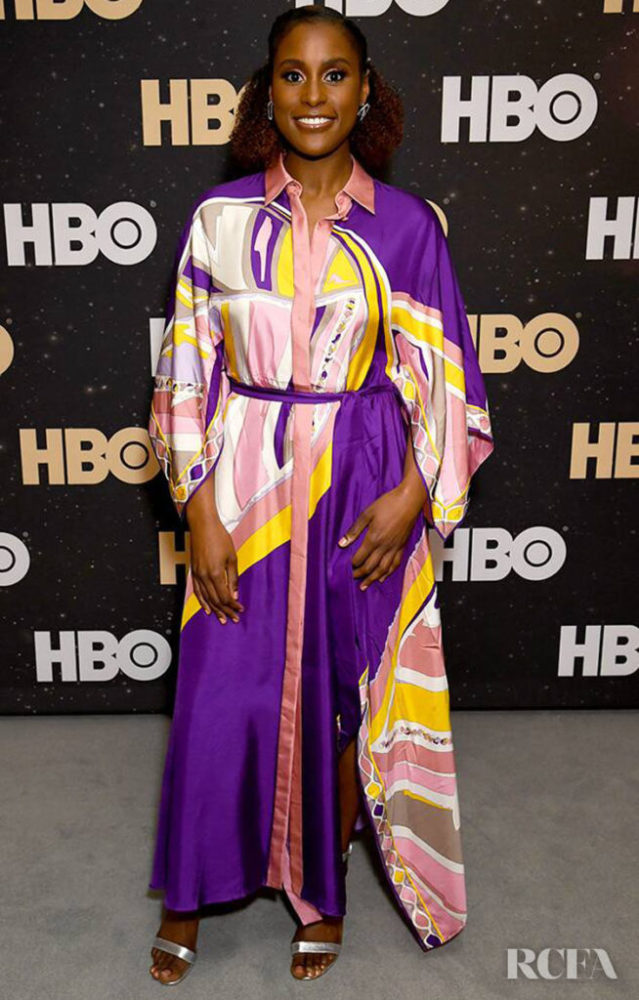
Celebrities such as Isabella Rossellini, Elizabeth Hurley, Jennifer Lopez, and Victoria Beckham wear Pucci creations. The style that made its name in the ’50s and ’60s has become the subject of both private and museum collections. Although Pucci’s fabulous prints defined a jet-setting generation in the ’50s and ’60s, his influence on textiles and prints is still very relevant in today’s couture.
By Carrie Grosvenor.
Edited and updated by Damyanti













It’s perfect to have those light clothes in summer
I like their shoes I think they look cool
It’s the first time I heard about his guy, I really like the clothes they look very cool!