
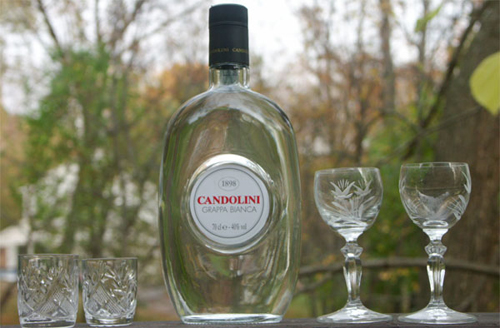
Grappa, an Italian liquor
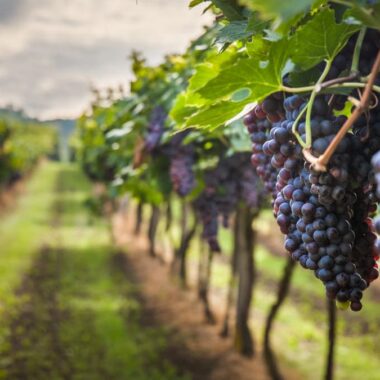
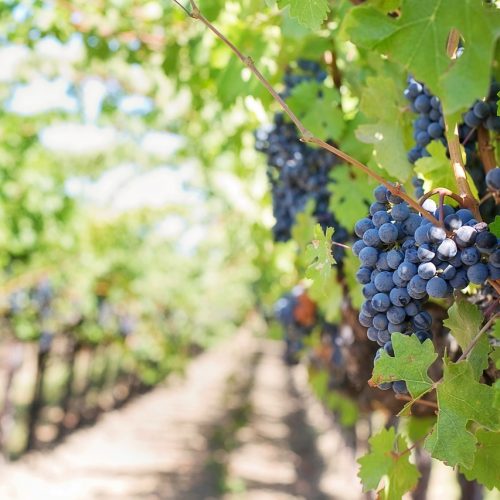
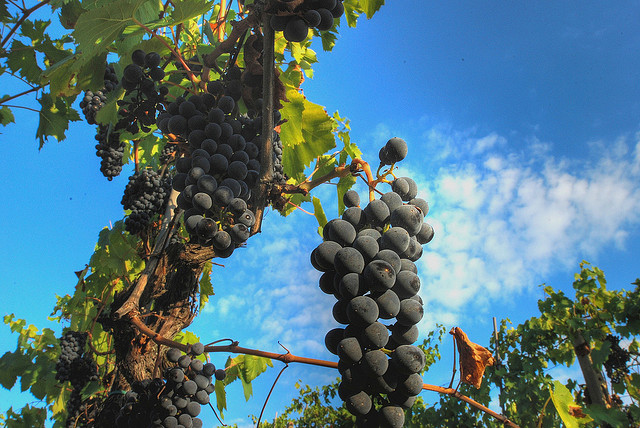
Grappa is a unique Italian drink. It’s traditionally made from pomace, discarded grape seeds, stalks and stems that are a by-product of the winemaking process. This liqueur has been around since the Middle Ages, but the history of grappa has deeper roots.
From the ancient Egyptians to Mediterranean alchemists, all the way to our tables, grappa is not only the perfect, elegant conclusion to a good Italian meal. But it’s also a symbol of the magic and mystery that, for centuries, has been associated with the making of spirits in Europe.
Let’s learn more about it!
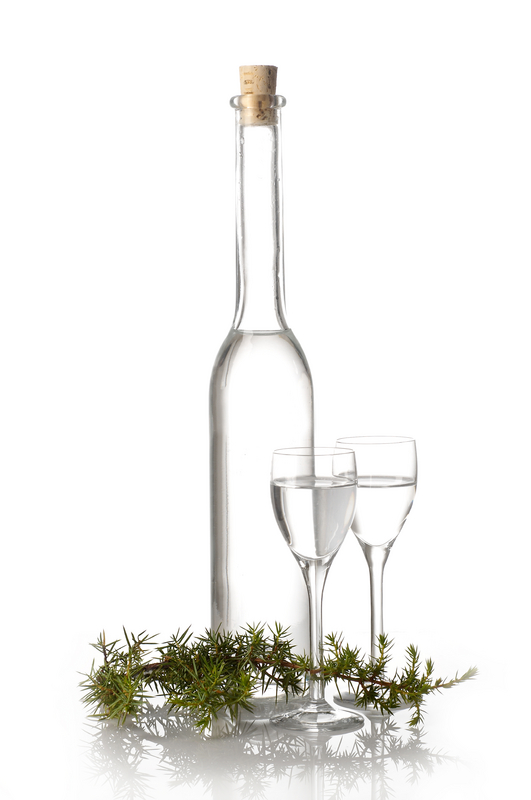
History of Grappa: the Origins
The history of acquavite and of all distilled drinks goes way back and leads us to the times of Mesopotamia, some 800 years before Christ. However, the first written mention of distillation dates from the 4th century AD, and is found in a treaty about alchemy by no other than Synesius of Cyrene, an African bishop of the early Catholic church. Synesius tells us the Egyptians knew already how to distill spirits some 40 years before Christ was born.
A couple of centuries after Synesius, Arab alchemist Abu Beckr Mohamed Ibn-Zakariaya el-Rhazi wrote about distilling “the water of life” and the right methods to do it.
History of Grappa: the Middle Ages and the Renaissance
In the Middle Ages, the process of distillation in Italy became common. However, it would take a few centuries for wine distillates to leave the chemist’s cabinet and enter people’s pantries. Yes, because spirits were initially considered a medicament, rather than a pleasurable drink. They were meant to aid digestion or stimulate conviviality.
Only in the 16th century, Italians began enjoying it as a tipple.
Doctor Michele Savonarola was the first one to write about the distillation of grappa. He called with its Latin name of acquavite. Savonarola was uncle of Girolamo, the infamous friar burnt at stake in 1498. The doctor’s text, De Arte Confectionis Aquae Vitae (On the art of making acquavite), tells us there are three types of acquavite consumed in Italy in the 15th century: acquavite semplice (simple acquavite), acquavite comune (common acquavite) and quintessenza (quintessence).
For a couple of hundreds years, acquavite kept its ambiguous status of medicament and drink.
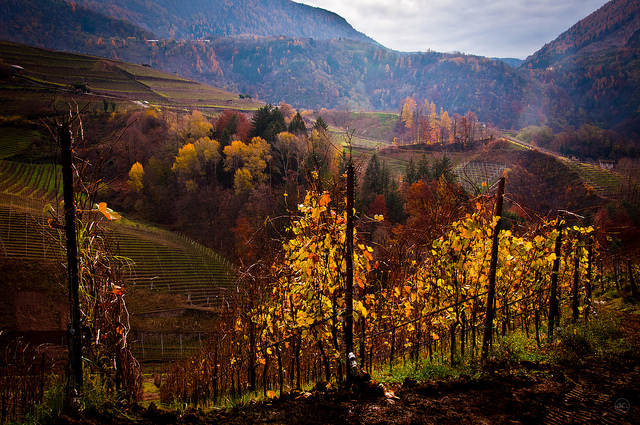
A pivotal moment in the history of our beloved grappa comes in the 17th century, when the first Corporazione degli Acquavitieri is created in Venice. This shows production had become consistent enough to call for an association regulating it, especially in the North East of the country, the area where, still today, grappa is most largely produced.
History of Grappa: the semantics
But is it grappa or acquavite?
Let’s get things in order. Acquavite, as we said, comes from the Latin aqua vitae, that is, water of life. However, medieval documents suggest the word comes from aqua vitis. In this case, vitis indicating the shape of the alembic used to distill it.
Hence, acquavite is the most ancient indicating Italian grappa.
Northern Italians started using the word grappa in the late 19th century. It derived from dialectal words such as grapa, which means grappolo, “bunch of grapes.” Other dialectal terms used for our grappa – all from the North and all tied semantically to the term grappolo – are graspa and trape (Friuli), both of which mean pomace.
So, both terms are a valuable option. Although grappa refers specifically to the acquavite obtained by distilling pomace. But be aware that, legally, only pomace acquavite produced in Italy can be called grappa! Everything else is known as acquavite di vinaccia, or distillato di vinaccia.
Making Grappa
Grappa is a distilled beverage. So, a gentle heat allows the mixture of grape pieces and alcohol. When it evaporates, it leaves a potent concentration. Today’s grappa contains between 40 to 45 percent alcohol. That’s 80 to 90 proof.
After distillation, Grappa makers store it in glass bottles for about six months. The flavor profile of grappa depends on the grape variety, but generally, grappa is potent and dry. Occasionally, a producer will add a little syrup or herbs to sweeten it.
Enter the Nonino family
Giannola Nonino changed the character of grappa in the 1960s. Her Nonino distillery, in Percoto Italy, has been producing grappa since 1897. In the early 1970s, Giannola began making grappa from a single grape, as opposed to the customary mélange of grape leftovers. She sought to make a quality drink, one to rival the great eaux-de-vie of France. Indeed, it was an uphill battle.
She sold very little of her first 1973, production. Undaunted, she offered her grappa for free to journalists and restaurateurs. She asked people to serve it during important commercial and government dinners. Giannola poured the drink herself and told her story as she filled the glasses.
This smart tactic gained her followers.
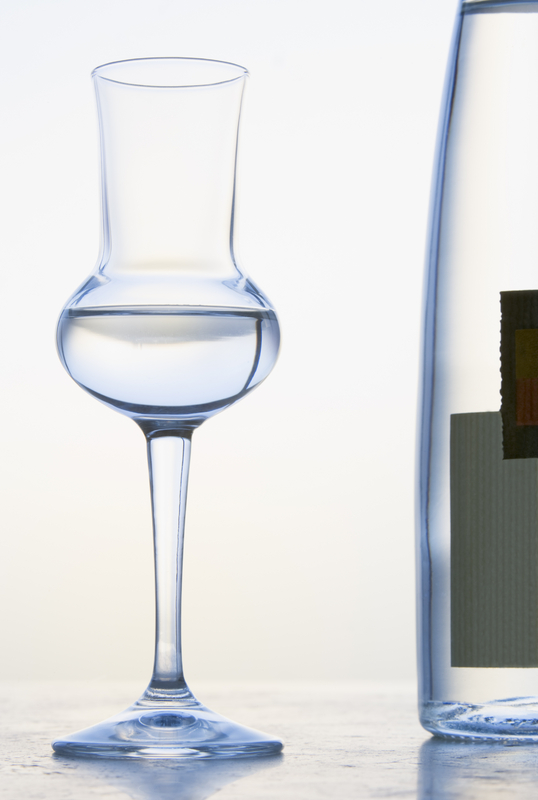
The Nonino Distillery’s first single grape Grappa was crafted from the Picolit grape. Today, over a dozen different grapes are used for single grape grappas, called “monovitigno” grappas. And that’s a term Ms. Nonino coined herself.
In 1984, the Nonino distillery gained government approval and began producing a higher quality Grappa made from whole fruit. They began with grapes and in the following years, produced products using cherries, pears, apricots, peaches, and raspberries. Seeking a way to show off their new products, Nonino created stylish glass bottles for the liqueur. Indeed, a dramatic change from the old medicinal-style bottles.
That’s when grappa became popular worldwide.
How to add a pear to your bottle of grappa
Indeed, that’s a thing. Why? Because the pear is a delicate and sweet fruit. It can alter the bitterness and the power of alcohol. It’s a popular aromatic variant of the Italian liqueur.
The old way
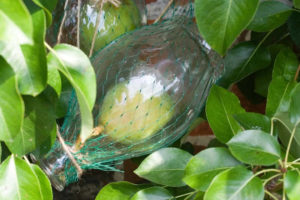
Producers used to hang a bottle on the pear tree. The fruit would grow inside the bottle, which later would be filled with grappa. Still, not everyone owns an orchard.
The modern way
In the modern bottles of grappa, the neck of the bottle is removable. This allows to insert the pear without much difficulty.
The Best Grappa
Every year there’s a competition to find the best grappe in Italy, the Alambicco d’Oro.
In 2018 the Distilleria Bottega won the Special Prize for the highest number of medals won with its grapes (seven, including one gold for the Grappa di Moscato Alexander).
Buying Grappa
Like wine, grappa comes in all varieties and qualities, with the flavor based on the grape or fruit used. Grappa is available in wine stores and premium liqueur retailers throughout the United States. Expect to pay from $10 for a simple bottle to over $100 per bottle for a single fruit variety.
Although you will often see the decorative grappa bottles lined up behind bars and at restaurants, grappas are actually best stored in a cool and dark place. So, keep your bottle away from light and heat.
The most expensive grappe come from particular grapes, like the Suprema Grappa Refosco, at $65. Or they come from famous distilleries, for example Bocchino Cantina Privata costs around $80. If the grappa has been aged for 10 years or more, it’s an exclusive bottle. For example, you can try the Grappa Stravecchia Le Diciotto Lune.
Drinking Grappa
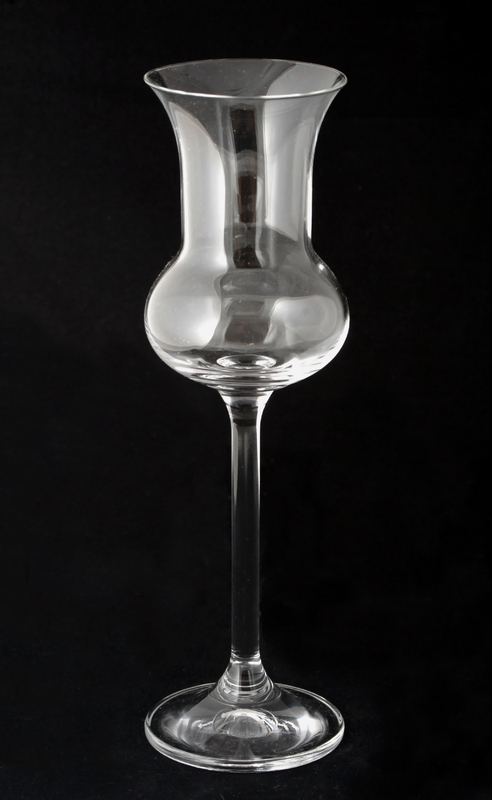
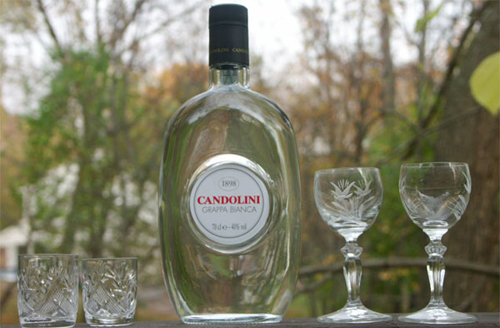
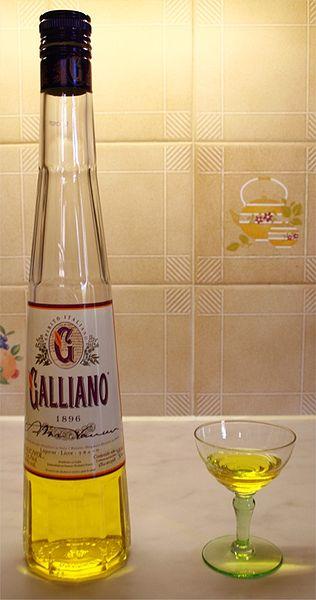
In Italian tradition, grappa is served in small glasses, often at room temperature. And at the end of the meal. For a tasting, stir it gently and then smell before sipping. Furthermore, it’s not a one-shot drink. Instead, take small sips. You can also ask for it in your espresso, aka the caffè corretto.
If you’ve never tried Grappa, you’re in for a treat. It’s a fiery, but tasty beverage. Perfect to warm up during winter or to finish a delicious, Italian meal.
Grappa’s popularity has spread all around the globe. So much so that producers are all over the world, from Oregon to South Africa.
Have you ever tried it?








Would this be served at a renaissance fair? Also, would Chianti Reeves drink this? Thank you.